Posts

Showing posts with the label Food Ingredients

The Colorful Palette: Harnessing the Power of Fruit and Vegetable Ingredients
Image
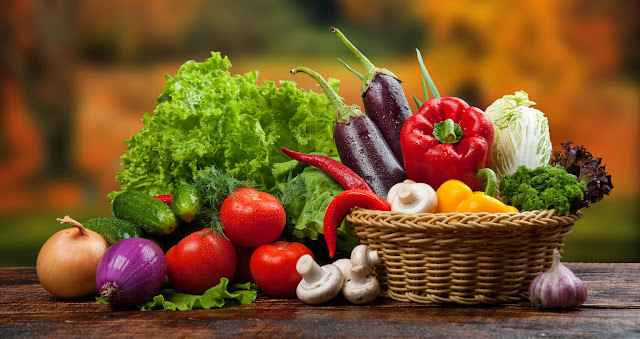
  Fruit and Vegetable Ingredients In the realm of culinary creativity, few things offer the vibrancy and versatility of fruit and vegetable ingredients. From their rich spectrum of colors to their diverse array of flavors and textures, fruits and vegetables are not only essential components of a balanced diet but also potent sources of inspiration for culinary exploration. Let's delve into the myriad ways in which these colorful ingredients can elevate dishes and nourish both body and soul. A Rainbow of Flavors: Fruits And Vegetables Ingredients come in a kaleidoscope of hues, each offering its own unique flavor profile and nutritional benefits. From the tangy sweetness of ripe strawberries to the earthy richness of roasted beets, the flavor spectrum is vast and varied. By incorporating a diverse range of fruits and vegetables into our meals, we not only enhance the taste but also ensure a nutrient-rich dining experience. Visual Delights: Beyond their flavor contributions,...

Polyunsaturated Fatty Acids: Essential Nutrients for Health

Image
  Polyunsaturated Fatty Acids Polyunsaturated fatty acids, also known as PUFAs, are a class of unsaturated fatty acids that are essential for human health. There are two main types of PUFAs - omega-3 and omega-6 fatty acids. Both are important and needed to be obtained through diet as the body cannot produce them on its own. Omega-3 Fatty Acids Omega-3 fatty acids provide many health benefits and are considered extremely important for human health. The three main types of omega-3 fatty acids are ALA (alpha-linolenic acid) found in plant oils, EPA (eicosapentaenoic acid) and DHA (docosahexaenoic acid) found abundantly in fatty fish and fish oil. EPA and DHA have strong anti-inflammatory effects and support brain and heart health. Studies show that omega-3 fatty acids can help reduce risk of heart disease, improve brain function, treat depression and anxiety disorders. Omega-3s also plays an essential role in infant development and maturity as DHA is a major component of the brain a...

Functional Ingredients: The Future of Food

Image
Functional Ingredients Over the past few decades, there has been a rise in demand for functional foods that provide additional health benefits beyond basic nutrition. Food manufacturers are responding by developing products containing ingredients that impart specific health-promoting properties. These functional ingredients are playing an increasingly important role in the global food industry and reshaping the future of food. What are Functional Ingredients? Functional Ingredients are substances that may provide a health benefit beyond basic nutrition when consumed as part of a varied diet and healthy lifestyle. They are consumed either as natural food components or extracted compounds added to foods during processing or preparation. Some examples of functional ingredients include omega-3 fatty acids, soluble fiber, plant sterols, probiotics, prebiotics, vitamins and minerals. When added to or naturally present in foods and beverages, functional ingredients can help consumers get ...

Understanding Lactulose: Uses and Benefits of Lactulose

Image
Lactulose Lactulose is a synthetic disaccharide that is commonly used as a treatment for constipation and hepatic encephalopathy. In this article, we will look deeper into what lactulose is, how it works in the body, its uses and benefits. What is Lactulose? Lactulose is a synthetic sugar that is not digested by the human body. It is made up of the natural sugars galactose and fructose bonded together. When consumed, lactulose slowly moves through the digestive tract where it is fermented by gut bacteria in the large intestine. The fermentation process produces organic acids like lactate, formate and acetate which help to soften stool and promote more frequent bowel movements. Composition and Production While Lactulose is not found naturally in food, it closely resembles the disaccharide lactose which is present in dairy products. However, lactulose contains a beta linkage between the galactose and fructose units instead of an alpha linkage like in lactose. This small difference al...