Posts

Showing posts with the label Food and Beverages

The Sweet Delight of a Cultural Icon: Exploring the History and Appeal of Pearl Milk Tea

Image
Pearl Milk Tea  Origins and Early Development Pearl milk tea has its roots in Taiwan in the late 1980s. At the time, bubble tea shops were just starting to emerge and experiment with new tea drink combinations. One shop in Taichung is credited with inventing the signature drink by mixing black tea with tapioca pearls and milk. The rich black tea provided body and flavor while the milk and tapioca pearls added creaminess and texture. Word of the unique beverage soon spread throughout Taiwan. In the early 1990s, as Taiwan saw increased economic development and Western influences, Pearl Milk Tea rose to widespread popularity among young people looking for a new specialty drink. Chains like Happy Lemon and CoCo Fresh Juice established locations across major Taiwanese cities, standardizing recipes and drink options. The combination of sweet black tea, milk foam, and chewy tapioca balls was perfectly suited to Taiwan's urban coffee culture. By the late 1990s, pearl milk tea had cemente...
Pea Starch: An Underutilized Ingredient with Multiple Uses

Image
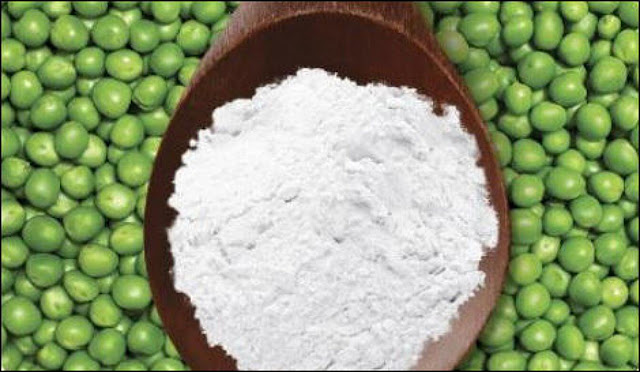
  Pea Starch Pea starch is a carbohydrate extracted from yellow peas. It has a powder-like consistency and off-white color similar to cornstarch. Pea starch provides benefits as a plant-based ingredient and has applications across multiple industries from food to personal care. Chemical Composition Pea Starch is composed primarily of two polymers - amylose and amylopectin. Amylose molecules form straight chain structures while amylopectin branch out. Pea starch contains around 25% amylose and 75% amylopectin. This ratio influences its textural properties. Pea starch granules also contain small amounts of protein, lipid and minerals. Its amylose content is slightly higher than cornstarch providing different functional attributes. Physical Properties At room temperature pea starch displays properties similar to cornstarch but has some key differences. It has a higher swelling power absorbing more water. Pea starch forms a stronger gel with a higher viscosity compared to cornstarch...

The Rise of Pearl Milk Tea Culture

Image
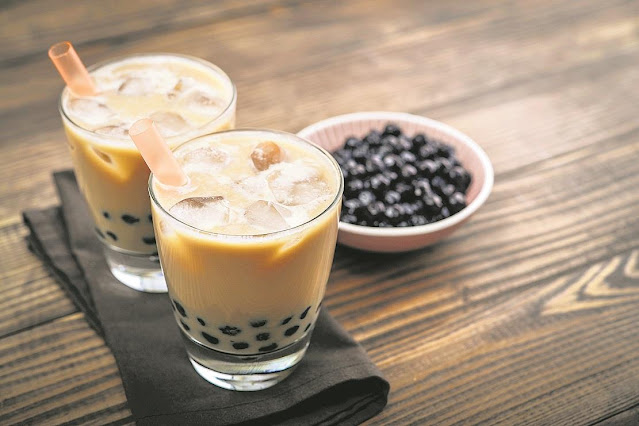
  Pearl Milk Tea Origin of Pearl Milk Tea Pearl milk tea, sometimes also referred to as bubble tea or boba tea, originated in Taiwan in the 1980s. It was created by Lin Hsiu Hui, a tea shop owner in Taichung. Inspired by the tapioca balls used in many Southeast Asian desserts, Lin started experimenting with adding large tapioca pearls or "boba" to milk tea. This created a unique texture when sucked up through a large straw. Her new creation was an instant hit and soon became a nationwide craze in Taiwan. From there, the popularity of pearl milk tea spread throughout Asia and eventually reached Western markets. Taiwan: Home of Pearl Milk Tea Culture Taiwan is truly the birthplace of pearl milk tea and it remains central to Taiwanese food culture and identity. There are over 10,000 bubble tea shops across the island catering to local demand as well as tourists seeking an authentic pearl milk tea experience. Taiwanese shops take bubbles tea very seriously, using high quality te...

Monosodium Glutamate (MSG) Market to Grow at a Significant Rate Due to Wide Ranges of Applications

Image
Monosodium Glutamate Market  Monosodium glutamate is a flavour enhancer widely used in the food industry owing to its ability to enhance the meaty and savory tastes of food. It is commonly known as MSG and is mainly used as a flavoring and preservative in Chinese, Japanese and Southeast Asian cuisines as well as in processed and prepared foods. The Global Monosodium Glutamate Market Demand is estimated to be valued at US$ 6.81 Bn in 2024 and is expected to exhibit a CAGR of 8.7% over the forecast period 2024 to 2030. Monosodium glutamate (MSG) is commonly used as a flavor enhancer in various food products such as snacks, soups and sauces to enhance the savory taste without significantly altering the overall flavor of the food. With the changing consumer preferences towards convenience and processed foods, the demand for MSG has increased significantly over the years. MSG is used as a preservative to prolong the shelf life of various meat and seafood products. Additionally, MSG ...

Unlocking the Potential of Nisin: A Versatile Antibacterial Agent in Food Preservation

Image
Nisin  Nisin is a polycyclic antibacterial peptide produced by some strains of Lactococcus lactis. It has been used as a food preservative for over 50 years, approved and labeled as E234. Nisin has been proven safe for human consumption and effective against many gram-positive bacteria including Listeria monocytogenes and Staphylococcus aureus that cause potentially fatal illness. Chemical structure and nature of nisin Nisin is a heat-stable, hydrophobic peptide made up of 34 amino acids including the uncommon amino acids such as lanthionine, methyllanthionine, didehydroalanine and didehydrobutyrine. It belongs to group of polypeptide bacteriocins known as lantibiotics that contain post-translationally modified amino acids. Nisin has a flexible, multi-ringed structure which enables it to penetrate and disrupt the lipid membrane and peptidoglycan cell wall of sensitive bacteria. These unique chemical properties allow nisin to effectively pass through the thick peptidoglycan layer o...