Posts

Showing posts with the label Bulk Chemicals

Titanium Nitride Coating: A Global Perspective on Surface Enhancement

Image
Titanium Nitride Coating  In the world of industrial engineering and manufacturing, the quest for surface enhancement technologies has led to significant innovations, among which Titanium Nitride (TiN) coating stands out as a remarkable solution. From aerospace components to everyday consumer products, TiN coating offers a formidable combination of durability, corrosion resistance, and aesthetic appeal. Engineering Excellence Across Continents: Titanium Nitride Coating has emerged as a hallmark of engineering excellence, transcending geographical boundaries. Whether in the bustling industrial hubs of developed nations or emerging manufacturing sectors in developing regions, the adoption of TiN coating technology has become widespread. Its ability to enhance the performance and longevity of various materials has positioned it as a go-to solution for manufacturers worldwide. Aerospace Advancements: In the aerospace industry, where reliability and durability are paramount, Ti...
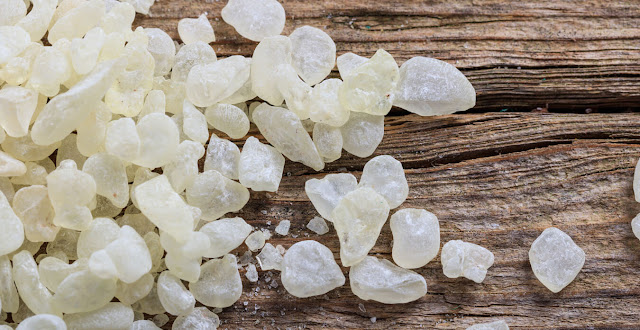

The Amazing Health Benefits of Mastic Gum

Image
  Mastic Gum What is Mastic Gum? Mastic gum, also known as mastiha or Arabic gum, comes from the resin of the mastic tree (Pistacia lentiscus). Native to the Mediterranean regions of Greece, Turkey, and northern Africa, the mastic tree has been cultivated for its aromatic resin for thousands of years. The resin is extracted from the tree trunk and branches by making incisions in the bark. As the resin seeps out, it hardens into tear-shaped droplets that resemble gumdrops. Mastic gum has a sandalwood-like aroma and a slightly piney, citrus flavor. Antibacterial and Antifungal Properties Mastic Gum contains powerful natural compounds that give it strong antibacterial and antifungal properties. Clinical studies have found that mastic gum can effectively inhibit the growth of bacteria like Streptococcus mutans, a key contributor to dental plaque and tooth decay. It may help reduce cavities and gum disease when used as a natural mouthwash or chewed as gum. Mastic gum also displays ...

Petrochemicals: Driving the Modern Industrial Economy

Image
Petrochemicals  Introduction Petrochemicals form the backbone of modern industrial economy. Derived from petroleum and natural gas, they are the basic building blocks for a wide range of consumer and industrial products. What are Petrochemicals? Petrochemicals are organic chemicals that are produced from petroleum and natural gas. The term refers to chemicals derived from various hydrocarbon molecules present in crude oil and natural gas. Some of the most common petrochemicals include ethylene, propylene, butadiene, benzene, xylene, and toluene. Petrochemical Manufacturing Crude oil and natural gas undergo various separation and cracking processes to produce Petrochemical feedstocks like naphtha, natural gas liquids, ethane, propane and butane. These feedstocks are then subjected to thermal cracking and catalytic cracking in units like furnaces, steam crackers and fluidized catalytic crackers. This breaks down larger hydrocarbon molecules into smaller ones. The resultant olefins...

Hydrogen Peroxide: A Chemical With Diverse Uses

Image
Hydrogen Peroxide  Introduction Hydrogen peroxide (H2O2) is a chemical compound consisting of oxygen and hydrogen. With a chemical formula of H2O2, it is colorless and appears as a clear liquid, slightly more viscous than water. Hydrogen peroxide is naturally produced in small amounts by all aerobic organisms as a by-product of metabolic processes that use oxygen. However, it finds extensive applications in various industries as well as in our daily lives. Physical and Chemical Properties Hydrogen Peroxide is a pale blue, clear liquid that is slightly more viscous and dense than water. It has a pH of 4-5 and is considered unstable as it readily decomposes into water and oxygen. This decomposition process is catalyzed by light, heat or metal ions. Its chemical structure consists of two hydrogen atoms bonded to two oxygen atoms to form a hydrogen-oxygen bound. This bound makes it more reactive than water and it acts as a strong oxidizing agent in chemical reactions. At room temper...

Roofing Coatings: Choosing the Right Coating for Your Roof

Image
  Roofing Coatings Introduction For maximum protection and longevity of a roof, the proper coating needs to be applied. Roof coatings provide an extra layer of defense against UV rays, moisture, and other environmental factors that can degrade roofing materials over time. With so many different coating products on the market, it can be difficult to determine which one is the best choice. Elastomeric Roof Coatings Elastomeric coatings are a popular choice for Roofing Coatings because of their flexibility and durable qualities. These coatings are made from acrylic or plastic polymers that allow the coating to stretch without cracking. This elasticity enables the coating to expand and contract with temperature changes and roof movement. Elastomeric coatings are suitable for use on almost any type of roofing material including asphalt shingles, metal, modified bitumen, and concrete tile roofs. Some key benefits of elastomeric roof coatings include: - Flexibility to withstand roof ...

Strontium Nitrate: An Important Chemical Compound

Image
  Strontium Nitrate Strontium nitrate is an inorganic salt with the chemical formula Sr(NO3)2. It is a colorless crystalline solid that dissociates in water to form strontium and nitrate ions. Chemical and Physical Properties Strontium nitrate has a few distinctive chemical and physical properties that are important to note. It is a white crystalline solid at room temperature that slowly absorbs moisture from the air. When dissolved in water, it forms a colorless and alkaline solution. Strontium nitrate has a high solubility in water and is also soluble in ethanol and acetone. Its melting point is 258°C and boiling point is 380°C when decomposing to strontium oxide and oxides of nitrogen. Like other nitrates, it is highly hygroscopic in nature. Chemical Reactivity Strontium Nitrate is stable under normal conditions but can readily react under certain situations. When heated to high temperatures, it decomposes to produce strontium oxide and nitrogen oxides. It reacts exothermical...

Asphalt: An Essential Building Material

Image
  Asphalt Asphalt is one of the most widely used construction materials in the world. With its ability to pave roads, construct highways, roof structures and more, asphalt plays a vital role in building infrastructure globally.   What is Asphalt? Asphalt is a sticky, black and highly viscous liquid or semi-solid form of petroleum. It is a byproduct of the oil refining process in which crude oil is separated into various petroleum products. Asphalt consists of predominantly saturated aliphatic and cycloaliphatic hydrocarbons mixed with aromatics and resins. When processed and mixed appropriately, it transforms into a versatile construction material. Composition and Production The key components of Asphalt are bitumen (also known as asphalt cement) and aggregates like sand, gravel or crushed stone. Bitumen is a hydrocarbon pitch that acts as a binder to hold aggregate particles together. For production, bitumen extracted from crude oil refining is heated and mixed with aggr...

Benzene, Toluene and Xylene: A Closer Look at BTX

Image
Benzene, Toluene and Xylen  Benzene, toluene, and xylene, commonly referred to as BTX, are aromatic hydrocarbons that are widely used in the production of various industrial chemicals and consumer products. Due to their high volume of production and use, there is potential for human exposure and subsequent health risks. In this article, we take a closer look at each component of BTX individually as well as their combined effects on human health and the environment. Benzene Benzene is an important industrial chemical that finds application in the production of plastics, resins, nylons and synthetic fibers. It is also used as a solvent and is present in gasoline and cigarette smoke. Benzene is a known human carcinogen according to various health organizations like the WHO and IARC. Long term exposure to benzene can lead to cancers like leukemia. Benzene readily evaporates into the air and its vapors or gases can have harmful effects if inhaled. Exposure to high levels of benzene in ...

Gellan Gum: A versatile hydrocolloid used in food and non-food industries

Image
  Gellan Gum Gellan gum is a water-soluble anionic polysaccharide exopolysaccharide produced by the microorganism Sphingomonas elodea. Commercially produced by the fermentation of Sphingomonas elodea, it has diverse applications in the food, pharmaceutical and other industrial sectors due to its gelling, thickening and stabilizing properties. In this article, we explore the various uses and benefits of gellan gum. Properties and production of gellan gum Gellan gum is a linear anionic polysaccharide composed of tetrameric repeating units of glucose, glucuronic acid and rhamnose. It has high molecular weight ranging from 50,000 to 800,000 Da. Commercially, it is produced by the static or shaken batch fermentation of Sphingomonas elodea. The optimized fermentation conditions allow for high yield production of gellan gum with desirable properties. The gum is then recovered from the fermentation broth through various downstream processing steps involving alcohol precipitation, washing, ...